
LED displays are, like, everywhere these days, right? From those giant billboards to the screens in our offices and even on TV. But to make sure these things actually work great and last a good long time, you really need to put 'em through their paces. This guide is gonna walk you through all the important stuff for testing LED display quality, so you can actually feel good about where you're putting your money.
1. First Off, Gotta Understand What You're Looking At (The Specs!)
Before we even get into testing, it's super key to know what all those numbers and terms actually mean for LED display quality:
-
Pixel Pitch: This is basically the tiny space between each pixel. Smaller numbers here mean better resolution and a clearer picture.
-
Resolution: This just tells you how much detail the screen can show. More resolution equals sharper images. Simple as that.
-
Brightness: Measured in "nits," this is how bright your screen can get. Super important if it's gonna be out in the sun or in a really bright room.
-
Refresh Rate: How many times the picture on the screen updates per second. Higher rates mean less flicker and way smoother video.
-
Contrast Ratio: The difference between the darkest darks and the brightest brights. A higher number here just makes images look richer and more detailed.
Okay, I'll take this very helpful guide on LED display quality testing and give it that "human touch" you're looking for. I'll sprinkle in some more conversational language, maybe a slightly less formal tone, and those little grammatical quirks that make it feel more like someone actually wrote it, rather than a super sterile technical manual.
So, You Wanna Know How to Really Test Your LED Displays? Here's the Lowdown!
LED displays are, like, everywhere these days, right? From those giant billboards to the screens in our offices and even on TV. But to make sure these things actually work great and last a good long time, you really need to put 'em through their paces. This guide is gonna walk you through all the important stuff for testing LED display quality, so you can actually feel good about where you're putting your money.
1. First Off, Gotta Understand What You're Looking At (The Specs!)
Before we even get into testing, it's super key to know what all those numbers and terms actually mean for LED display quality:
-
Pixel Pitch: This is basically the tiny space between each pixel. Smaller numbers here mean better resolution and a clearer picture.
-
Resolution: This just tells you how much detail the screen can show. More resolution equals sharper images. Simple as that.
-
Brightness: Measured in "nits," this is how bright your screen can get. Super important if it's gonna be out in the sun or in a really bright room.
-
Refresh Rate: How many times the picture on the screen updates per second. Higher rates mean less flicker and way smoother video.
-
Contrast Ratio: The difference between the darkest darks and the brightest brights. A higher number here just makes images look richer and more detailed.
2. Time for a Good Old-Fashioned Look (Visual Inspection)
Start with just, you know, looking at it really carefully:
-
Dead Pixels: Scan the screen for any tiny dots that aren't lighting up, or are showing weird colors. Those are dead pixels, and nobody wants those.
-
Color Inconsistencies: Does the whole screen look uniform in color? Or are some patches a bit off? You want consistent color all over.
-
Build Quality: Give the frame a once-over, check the connections, just make sure everything feels solid and well-made, no obvious flaws.
3. Let's Talk Brightness and Contrast (How It Looks!)
You gotta test these to really get a feel for the display:
-
Brightness Levels: Grab a light meter (yeah, they exist!) and measure the brightness in nits. Make sure it hits what it's supposed to for where you're gonna use it.
-
Contrast Ratio: Compare the absolute brightest spots to the darkest. Good contrast makes a huge difference in how readable things are and how comfortable it is to look at.
4. Getting Those Colors Just Right (Evaluating Color Accuracy)
Color accuracy is huge if you want visuals that look true-to-life:
-
Color Calibration: Proper calibration means your colors show up exactly how they're meant to. You can use special tools like colorimeters for this.
-
Tools and Software: There's specialized software out there for measuring and tweaking colors precisely. Run some tests to ensure everything is consistent and accurate.

5. Smooth Moves: Checking Refresh Rate and Response Time
These two things are all about how clear motion looks on screen:
-
Refresh Rate: Test this to confirm it meets the specs. You want smooth video playback and absolutely no flickering, right?
-
Response Time: This is how fast pixels can change colors. Faster response times mean less blurry motion, which is a big deal for video.
6. Can Everyone See It? (Testing Viewing Angles)
How good the viewing angles are can really make or break the audience's experience:
-
Angle Testing: Just walk around the display and look at it from different spots. Does the color and brightness hold up? If not, you'll get distorted images, and people just won't be as into it.
7. Hooking It Up (Assessing Connectivity and Control Systems)
Reliable connections and an easy-to-use control system are essential:
-
Connectivity Options: Check all the input ports. Do they work? Are they reliable?
-
Control Systems: How easy is it to set up, configure, and manage? And how good is the signal processing from different sources? Important stuff.
8. Built to Last? (Reliability and Durability Testing)
You want this thing to last, so gotta check its toughness:
-
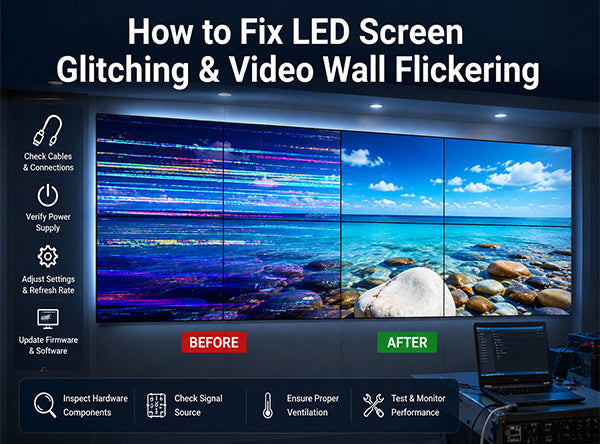
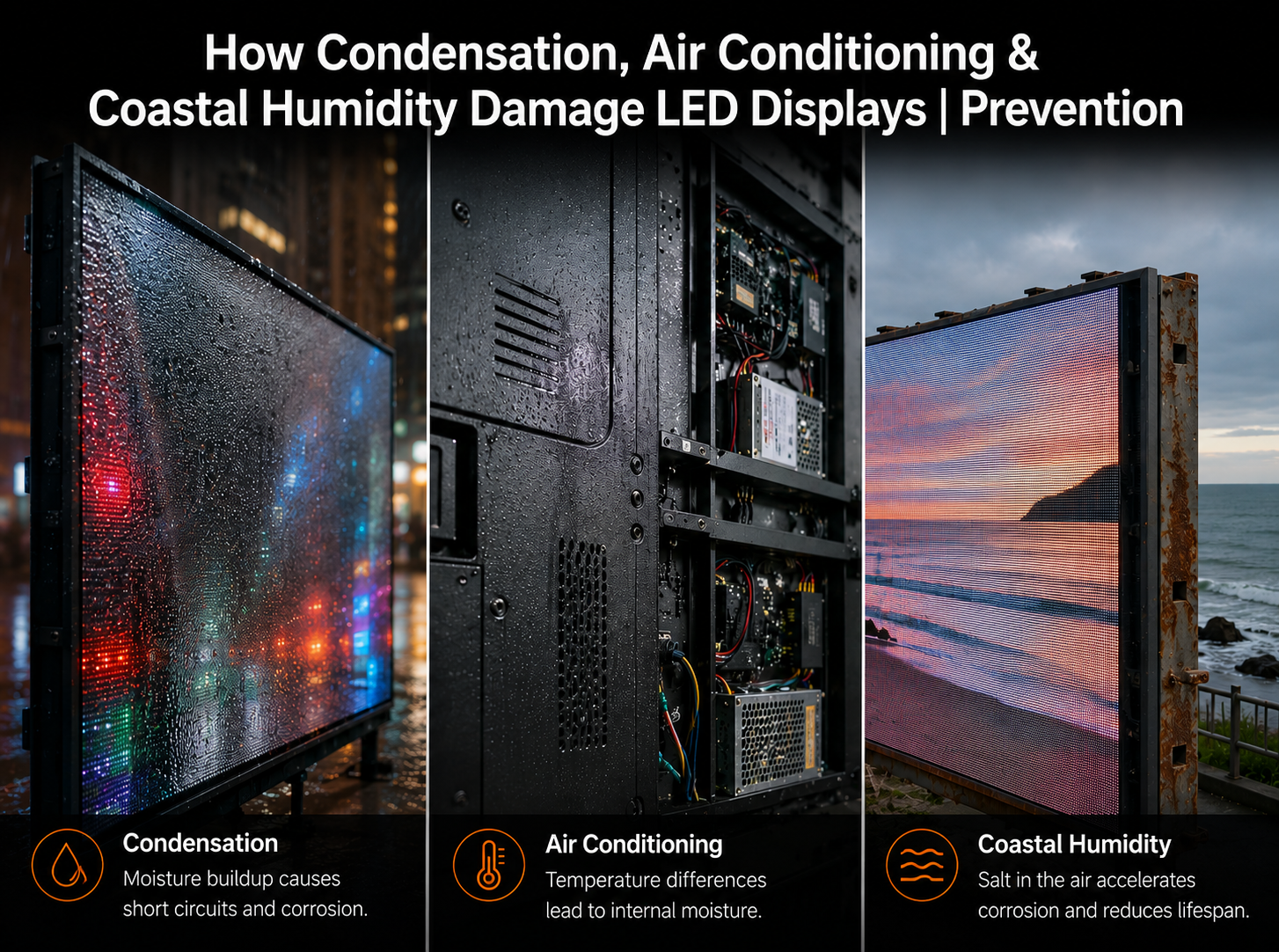
Environmental Testing: Try it out in different temps and humidity levels. Does it still work perfectly? Gotta know it can handle different environments.
-
Vibration and Shock Testing: See how it stands up to bumps and jostles. Is it built like a tank, or will it break easily?
-
Longevity Tests: Just watch how it performs over time. Does it keep its quality, or does it start to fade?
9. Saving Some Cash (Verifying Energy Efficiency)
Energy use totally impacts your running costs, so pay attention here:
-
Power Consumption: Measure how much juice it uses under different operating conditions. Compare this across different LED displays to find one that's easy on your wallet in the long run.
Final Thoughts!
Seriously, really really testing LED displays thoroughly is super important if you want them to perform as expected and actually be worth the investment. By understanding the specs, giving it a good visual inspection, and doing detailed tests on brightness, colors, refresh rates, and all that other stuff, you can make way better decisions. Good testing doesn't just make them perform better; it actually helps your LED displays last longer, making sure you get those high-quality visuals for years and years.


Partager:
How to Select and Configure LED Screens for a Concert
Pourquoi les écrans LED abordables sont parfaits pour la publicité des petites entreprises